Home › Cities › Philadelphia, PA
Philadelphia's Autonomous Service Command Center: How PinkyBot.io Powers the City's Digital Workforce
Philadelphia's service economy runs on hustle—contractors managing multiple jobs, local SEO battles with national chains, late-night emails answering customer questions that could be handled by AI. For over three centuries, this city built itself on sweat equity and neighborhood loyalty. Now, in 2026, that same work ethic is meeting a different kind of intelligence. PinkyBot.io isn't another SaaS dashboard gathering dust in your browser. It's a living, breathing autonomous workforce that operates while you sleep, manages your local search presence, handles your scheduling, coordinates your team, and builds your digital reputation—all without a human pressing a button every morning.

If you're running a service business in Philadelphia—whether you're a plumber in Northern Liberties, an electrician serving University City, a pest control operator managing Fishtown to Chestnut Hill, or an HVAC contractor juggling Center City commercial accounts—you're competing in one of the nation's oldest and most densely packed urban markets. The Liberty Bell didn't build itself. Neither does a thriving local service business. But it can be managed by systems that work 24/7.
The Philadelphia Service Landscape: Why Autonomous AI Changes Everything
Philadelphia's neighborhoods are fiercely local. Rittenhouse residents trust the electrician they've known for five years. Queen Village families call the plumber who fixed their kitchen in 2021. Fishtown renters scroll Instagram for the HVAC company that gets them heat before winter hits. Manayunk businesses depend on contractors who show up, communicate clearly, and leave clean job sites. That reputation is built block by block, customer by customer, review by review.

What most service businesses don't realize is that 70% of that reputation is now written by AI before the customer even calls. Google search results, Google Business profile management, customer review responses, social media presence, local content that proves expertise—these are the new front door. Miss them, and a competitor with better SEO will answer the phone instead of you.
PinkyBot's CityForge system solves this by generating premium, unique city hub pages tailored to your service industry across Philadelphia's diverse neighborhoods and nearby markets. Imagine having SEO content written by someone who understands that Rittenhouse Square residents expect white-glove service, that Fishtown businesses need agile, trendy contractors, that Chestnut Hill families value established, trusted operators. CityForge researches each neighborhood's specific needs—construction timelines, home values, business types, customer pain points—and builds pages that rank and convert.
Why Philadelphia's Service Businesses Need CityForge
The city's $20 billion infrastructure transformation is creating massive opportunities. Penn's Landing capping I-95, the Benjamin Franklin Parkway redesign, 30th Street Station modernization, Navy Yard transformation, Bellwether District redevelopment, Schuylkill Yards expansion—these projects are pulling in contractors, creating demand, and flooding neighborhoods with disruption. Customers don't Google "general contractor." They Google "general contractor near Rittenhouse" or "electrician University City" or "plumber Fishtown." That hyperlocal search is where you win or lose.

CityForge generates hub pages for each neighborhood, each with: - Unique, research-backed opening paragraphs that speak to the neighborhood's character - Local landmarks, attractions, and cultural details that prove your knowledge - Neighborhood-specific service callouts (older homes in Society Hill need different electrical work than modern lofts in Northern Liberties) - FAQ sections answering neighborhood-specific questions - Strategic CTAs positioned for maximum conversion - Full HTML structure, meta tags, and JSON-LD schema ready for Google ranking - Zero duplicate content—every page reads like it was written by a local expert In 48 hours, one Philadelphia service business could have premium SEO pages covering Center City, Rittenhouse, Fishtown, Northern Liberties, Manayunk, University City, Chestnut Hill, Society Hill, Queen Village, Fairmount, and 10+ more neighborhoods. That's not just a website expansion—it's a competitive moat.
Ready to own your local search landscape? Book a demo and see CityForge in action.
Philadelphia's Neighborhoods: Where PinkyBot Works Hardest
Philly's neighborhoods aren't just zip codes—they're distinct markets with different needs, demographics, and contractor preferences.
Center City: The High-Volume Hub
Center City is Philadelphia's economic core. Office towers, restaurants, retail, professional services, and constantly flowing foot traffic. If you're in HVAC, electrical, plumbing, or any service that touches commercial buildings, Center City is your bread and butter. The Pennsylvania Convention Center, major corporate event spaces, and thousands of small businesses mean steady work and high rates. CityForge's Center City hub page positions you as the go-to contractor for downtown urgency and premium service expectations. Reading Terminal Market, Rittenhouse Square, City Hall Tower—these are landmarks your Center City customers know. Your page reflects that knowledge.
Fishtown: The Trendy, Fast-Growing Market
Fishtown has transformed from a fisheries district into one of Philadelphia's hottest neighborhoods. Young professionals, creatives, new construction, boutique restaurants, live music venues—this is a market hungry for contractors who understand modern renovation, sustainability, and fast timelines. Venues like The Fillmore, Kung Fu Necktie, Johnny Brenda's, and Silk City draw crowds nightly. Restaurants like Silver and Village Whiskey are packed. The neighborhood's energy is magnetic, and so is the money flowing through it. Your Fishtown page positions you as the contractor who gets the vibe—efficient, creative, deadline-driven, and priced for quality.
Rittenhouse Square: The Luxury Market
Rittenhouse is Philadelphia's address. Seven-and-a-half-acre park, historic rowhouses, luxury apartments, upscale dining, and residents who don't haggle on price if the work is excellent. This is your premium market. Your Rittenhouse hub page reflects that expectation—white-glove service, attention to detail, expertise with historic home systems, and the kind of communication that reassures high-net-worth homeowners. Talula's Garden, top-rated brunches, fine dining—this is a neighborhood where your contractor's reputation matters as much as your technical skills.
University City: The Academic and Student Market
University of Pennsylvania (28,711 students), Drexel University (21,703 students), and surrounding academic institutions create a unique market. Landlords managing student housing, universities handling massive facilities, graduate students renting apartments—this is volume and consistency. Your University City page speaks to landlords' needs, fast turnarounds, and the kind of reliability that keeps student housing operational. This neighborhood also supports $10 billion in ongoing development, including 30th Street Station modernization and Schuylkill Yards, meaning commercial opportunity alongside residential.
Chestnut Hill: The Affluent, Family-Focused Market
Chestnut Hill is a garden district—tree-lined streets, historic homes, boutique shopping on Germantown Avenue, proximity to Fairmount Park. Walk Score 72, affluent families, older homes requiring maintenance expertise, and neighbors who prefer established, trustworthy contractors. Your Chestnut Hill page emphasizes heritage, reliability, and deep knowledge of historic home systems. This is a market that values long-term relationships and asks neighbors for recommendations before calling anyone new.

Each neighborhood presents a different customer psychology, pricing expectation, and competitive dynamic. CityForge's research engine digs into these differences and builds pages that resonate locally.
Attractions and Cultural Assets Every Customer Knows
Philadelphia's landmarks and attractions aren't just tourist draws—they're reference points in every local's mental map. Your customers navigate by these landmarks, date nights happen at these venues, and business meetings congregate in these districts. A savvy contractor mentions them naturally in conversation because they know the neighborhood's pulse.
The Liberty Bell and Independence Hall anchor Old City's history. Rocky Steps and the statue outside Philadelphia Museum of Art draw locals working out and tourists taking photos—and they also define the Fairmount district where contractors manage some of the city's most prestigious homes. LOVE Park, City Hall Tower, the Benjamin Franklin Parkway with its world-class museums—these aren't just postcards, they're neighborhood anchors that shape how residents think about their area.

Delaware River waterfront piers—Race Street Pier, Cherry Street Pier, Spruce Street Harbor Park—are where thousands of Philadelphians spend summer evenings. Rittenhouse Square is where residents read, take walks, and socialize. Elfreth's Alley, America's oldest continuously inhabited street, represents the historic character that makes Old City distinct. Reading Terminal Market is a destination for food and community. Philadelphia's Magic Gardens, a three-story mosaic art installation in South Street, draws crowds and defines South Philly's creative identity.
Your CityForge pages naturally reference these landmarks because they're part of how neighborhoods define themselves. A contractor serving Rittenhouse knows the square. A business serving Old City understands the intersection of history and renovation. That local knowledge, baked into your SEO content, is exactly what Google rewards and customers trust.
Events, Seasons, and Service Demand Windows
Philadelphia's event calendar drives seasonal demand for service contractors. MLB All-Star Week in July brings massive crowds and hotel occupancy. The Wawa Welcome America festival (June 19-July 4) is the nation's largest Independence Day celebration—16 days of free events, fireworks, parades, and Hoagie Day. That's 16 days when restaurants, hotels, venues, and retail spaces need contractors. Emergencies happen. Systems fail. The business surge is real.
Odunde Festival in June (the largest African/African-American street festival in the US) draws hundreds of thousands to South Philly, creating venue demand, restoration needs, and service opportunity. The Philadelphia Flower Show, Philadelphia Auto Show, universal theme parks exhibition, art installations like Ministry of Awe—these events pulse through the city and create service spikes.
Winter is HVAC season. Spring is electrical and plumbing season (thawing pipes, seasonal systems). Summer is roofing and exterior work season. Fall is preparation season. CityForge's seasonal callouts help your content speak to these demand windows, showing you understand the rhythm of the city and its neighborhoods.
New to serving Philadelphia's event districts? Contact our team to discuss your service area and CityForge's custom neighborhood coverage.
The Construction and Infrastructure Boom: Contractor's Gold
Philadelphia's infrastructure transformation is creating unprecedented service opportunity. Over $20 billion in mega-projects are reshaping the city's geography and generating steady contractor demand.
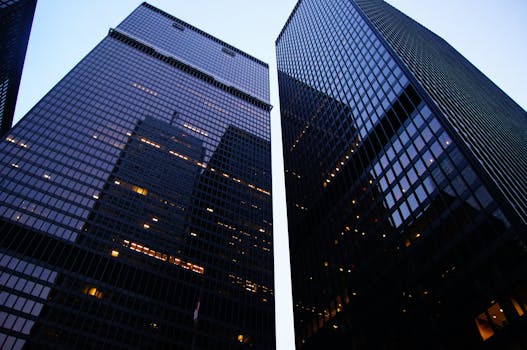
Penn's Landing's cap over I-95 is creating 11-12 acres of new public space and reconnecting Center City to the Delaware River. The South Street Pedestrian Bridge assembly starts early 2026, with major deck work through late 2026 into 2027. Benjamin Franklin Parkway redesign is moving toward bid-ready documents by fall 2026. Calder Gardens opened in September 2025, enhancing public space and setting the tone for future park investment. Rail Park Phase 2 is expanding the viaduct into green space. Market Street Bridge reconstruction and Spring Garden connector are adding protected bike lanes and neighborhood links—fully funded and moving forward.
Commercial and mixed-use development is explosive. Schuylkill Yards is a $4.5 billion project with Drexel University and Brandywine Realty Trust, featuring 6.5 acres of green space, 3.9 million sq ft of life science and office, 1.5 million sq ft of residential, and 65,000 sq ft of retail. That's jobs, contractors needed, material movement, systems installation. uCity Square is part of a $10 billion University City investment in lab and manufacturing space, apartments, and retail. Navy Yard transformation (Phase 2) is an 8.9 million sq ft project with $5.9-6 billion investment. Bellwether District, a $4 billion redevelopment of a former oil refinery, is breaking ground with logistics, clean energy, and advanced manufacturing components.
Avenue of the Arts is undergoing $30+ million mixed-use redevelopments along Broad Street. The Wanamaker Building is converting to 622 residences, retail, and office. Market East is a potential $100 million development breaking ground as early as 2027. Greater Center City saw 21 projects completed in 2025, with 24 under construction and momentum continuing through 2026—over 2,500 new homes and apartments, plus 1,800 parking spaces and 118,000 sq ft of additional space.
30th Street Station modernization is a $10 billion cap over the rail yard, reshaping University City-Center City links with 31st Street station redevelopment completing in 2027. SEPTA trolley modernization and surface-subway reset are upgrading surface transit across the city.
Highway construction never stops. I-95 reconstruction is multiyear, with Section BR3 ($355.3 million) rebuilding northbound lanes at Bridge Street through 2031. I-76 preservation wraps up winter 2025-2026. U.S. Route 1 expanded with third lanes ahead of schedule in October 2025. U.S. 202 sinkhole fixes start 2026. PA Route 291/420 bridge replacements are underway.
For contractors, this isn't just news—it's your market map. Every construction project means adjacent properties needing service, temporary infrastructure, emergency repairs, and follow-up work. Your CityForge pages can reference these projects, positioning you as the contractor who knows where the city is going and where opportunity is concentrated.
Higher Education as an Economic Anchor
Universities aren't just employers—they're economic engines that shape their entire neighborhoods. University of Pennsylvania (28,711 students), Temple University (30,205 students), Drexel University (21,703 students), West Chester University (17,076 students), Villanova University (10,111 students), plus Haverford College, Swarthmore College, and dozens of smaller institutions—education is a massive sector.
University facilities require constant maintenance. Student housing needs quick turnarounds and reliable contractors. Faculty and graduate students rent apartments and manage properties. Universities fund research facilities, and those spaces demand specialized systems. For contractors, the education sector is stable, high-volume, and price-conscious (but not price-obsessed). A single university's facilities budget might equal your entire year's revenue.
CityForge pages for University City, West Philadelphia, and surrounding neighborhoods naturally reference academic anchors and position you as experienced with institutional clients. That positioning attracts university property managers, facilities directors, and contractors working on campus expansion projects.
PinkyBot's Pricing Tiers: Built for Philadelphia's Service Economy
Service businesses operate on thin margins and fast cash flow. You can't spend six months on software features you don't need. PinkyBot's pricing reflects that reality—you pay for what you use, scale when you grow, and never pay for seats or features collecting dust.
Free Tier: Test the Water
Free costs nothing. Three core bots (TasksBot, CodeBot, DocsBot), 5 API calls per day, 5 documents, 100MB storage. Use it to explore what autonomous AI can do. No credit card. No commitment. Just fire it up and see if the concept resonates. Most service businesses testing PinkyBot start here.
Starter Tier: $49/Month
Starter unlocks six bots including ResearchBot, SocialBot, and KnowledgeBot. 25 API calls per day, 50 documents, 1GB storage, and a 4-hour heartbeat cycle that keeps your bots working throughout the day. For solo contractors who want to automate scheduling, basic social media, and project tracking—but not CityForge yet—this is the entry point to real autonomy.
Pro Tier: $149/Month
Pro unlocks the full 14-bot roster. 100 API calls per day, unlimited documents, 10GB storage, bring-your-own-key support for 21 AI providers, 1-hour heartbeat cycle, and 3 team seats. This is for contractors who want the complete autonomous experience—code deployment, security audits, analytics dashboards, file management, the full stack. If you're managing a team or running multiple service lines, Pro is your tier.
Business Tier: $349/Month
Business adds CityForge, the AI Clipper (across 20+ platforms), 500 API calls per day, 50GB storage, 15-minute heartbeat cycle, and 7 team seats. This is the tier for service businesses serious about local SEO and content at scale. CityForge alone would cost $50,000-$100,000 from a traditional agency. At $349/month, it pays for itself with a single campaign across 20-30 neighborhoods. For plumbers, electricians, HVAC contractors, and other local service businesses, Business is the tier that transforms your digital presence.
Self-Hosted Tier: $599/Year
Self-Hosted puts PinkyBot on your own infrastructure. Everything is unlimited—bots, storage, API calls, team seats. You bring your own API keys and run the entire platform on your servers with complete data sovereignty. For contractors worried about data privacy or managing sensitive client information, Self-Hosted means you control every byte. At $599/year, it's cheaper than one month of Business tier and gives you unlimited everything.
Managed Tier: $899/Month
Managed delivers a dedicated server with 1TB storage, white-glove setup, and full maintenance. PinkyBot provisions and manages the VPS so you never touch a terminal. For contractors who want enterprise-grade autonomy without managing infrastructure, Managed is the answer. This tier is rarely needed for solo or small team operations, but it's there for those growing into it.
See detailed pricing and feature comparisons.
The BusinessBot CRM: Running Your Service Business from One Dashboard
Inside PinkyBot's Business tier lives BusinessBot, a full CRM suite that rivals standalone platforms costing hundreds per month:
- Clients & Contacts Management: Track customers, their properties, and service history in one place. Add notes, flag preferences, store emergency contact info.
- Companies & Organizations: If you service commercial accounts, manage company data, billing contacts, and contract details separately from individual residential clients.
- Deal Pipelines: Drag-and-drop stages from "Lead" to "Won" to "Completed." Track deal value, stage duration, and conversion rates. Know exactly where every prospect stands.
- Invoicing with PDF Generation: Create invoices with your branding, line items, taxes, and payment terms. Generate PDFs instantly. Track paid vs. unpaid invoices.
- Email Templates: Send templated emails through your own SMTP or PinkyBot's built-in mail service. Track opens and clicks. Automate follow-ups.
- Team Management: Invite team members with role-based permissions. Manage who can edit clients, who can invoice, who can view financials.
- Project Tracking with OKRs: Set quarterly objectives. Break them into key results. Track progress. Link projects to customers and revenue.
- Market Intelligence: Capture competitor info, pricing data, market trends. Build institutional knowledge over time.
- Meeting Notes: Log conversations with clients. Store action items and follow-up dates. Never lose context.
- Digital Signatures: Collect signatures on contracts and agreements electronically. Legally binding. Instant.
- Webhook Integrations: Connect to your existing tools—Zapier, Make, custom scripts. Automate data flow between systems.
All of this is scoped per business, isolated per user, and governed by the same security framework that protects platform data. You're not renting space on a shared platform—you're running your own CRM infrastructure inside PinkyBot.
Security and Data Isolation: Your Business Data Stays Yours
In an era where AI platforms routinely leak user data, PinkyBot was built with security as a structural element, not an afterthought.
The user-scope firewall defaults to blocking all API routes for non-admin users. Every route that returns or modifies data must scope to the requesting user's ID. You can't see another contractor's client list. A team member can't access billing data they're not authorized to view. Authentication uses JWT with role-based access control across four tiers: platform admin, workspace admin, regular user, and public.
Pre-commit security hooks validate every code change before it reaches production. JavaScript syntax is checked. Critical files are protected from unauthorized modification. File deletions are blocked. Commits that fall behind the master branch are rejected. A security audit runs after every build, and any critical finding blocks deployment automatically.
API keys and credentials are encrypted at rest. The platform supports bring-your-own-key integration with 21+ AI providers. If you prefer not to manage your own API keys, you can purchase PinkyBot tokens instead, deducted per operation with full cost transparency and zero markup complexity.
Your data is yours. Period. We don't sell it, rent it, or use it to train models. The architecture enforces that through code.
The Autonomous Heartbeat: How PinkyBot Actually Works
What makes PinkyBot truly autonomous is its heartbeat system. Every 15 minutes (configurable per tier), a cron job triggers the platform's execution engine. Here's what happens:
- Wake Up: Bots wake up and read their task queue.
- Prioritize: The system sorts tasks by priority, detects duplicates, and rejects vague or repetitive work.
- Execute: The highest-priority task is executed via CLI. CodeBot deploys code. ResearchBot gathers data. SocialBot schedules posts. SecurityBot scans for vulnerabilities.
- Verify: Results are checked against quality gates. Is the output usable? Is it on-brand? Does it match what was requested?
- Commit: Successful results are committed to your repository or database. Clean git history, no junk commits.
- Sleep: Bots go back to sleep until the next heartbeat.
A file-based concurrency lock ensures only one AI process runs at a time across the entire platform, preventing resource conflicts and ensuring clean history. Failed tasks are automatically escalated. Two failures on the same approach triggers a stop-and-report rather than brute-force retrying—if something's broken, you're notified immediately, not left discovering it weeks later.
A functional scanner continuously audits the dashboard for broken buttons, missing view initializations, uncaught errors, and stale cache references. The system heals itself.
This is what autonomous really means. Not AI that talks about working. AI that actually works.
Ready to see your service business run itself? Start your free trial and experience autonomy firsthand.
Nearby Cities Served by PinkyBot's CityForge
Philadelphia's service economy extends far beyond the city limits. Your customers live in suburbs, adjacent neighborhoods, and surrounding counties. CityForge generates hub pages across entire regions, giving you competitive advantage in every market you serve.
Expand your SEO footprint to Penn Valley, Chester County, Bucks County, Delaware County, and Montgomery County—all suburbs where Philadelphia contractors find lucrative work. Or scale to Trenton, Wilmington, and Baltimore if you're willing to travel. CityForge's research engine handles them all, customizing content for each region's specific market conditions, competitor landscape, and customer expectations.

Why Contractors Choose PinkyBot
Service businesses are skeptical of software. You've bought enterprise solutions that promised to revolutionize your business, installed them, trained your team, and three months later you're back to spreadsheets and phone calls because the software didn't actually save time. You've wasted money on tools built for corporate environments, not for the reality of running a plumbing company or electrical contractors' practice.
PinkyBot is different because it's built by someone who actually understands service business operations. Not by researchers guessing how contractors work. The founder spent time in the trenches, saw where automation could actually help, and built a platform that automates the right things.
Contractors choose PinkyBot because:
- It actually works. Bots execute real tasks, produce real output, and operate around the clock. Not just dashboards and reporting.
- CityForge generates content that ranks. 167 premium pages across 131 cities, 300,000+ words of unique content, all in 48 hours. Try getting that from an agency for under $50,000.
- Security is built in. Your client data stays in your vault, not on shared servers. Encrypted at rest. Governed by default-deny middleware.
- Pricing scales with you. Start free. Move to Starter when you're ready. Scale to Business when CityForge makes sense. Never pay for seats you don't use.
- You can own your infrastructure. Self-Hosted tier means you control everything. No vendor lock-in. No surprise price increases. $599/year for unlimited everything on your servers.
- The team gets it. A solo founder building the first AI platform that runs its own business. Not a corporate product team shipping features nobody asked for.
Talk to the PinkyBot team about your service business and how autonomous AI can transform your operations.
Frequently Asked Questions About Philadelphia and PinkyBot's City Hub Pages
How does CityForge research local Philadelphia neighborhoods to ensure content is accurate?
CityForge uses Perplexity Sonar Pro to gather real, live local data—venues, competitors, traffic patterns, employers, landmarks, events, construction projects—for each neighborhood you select on the interactive map. For Philadelphia specifically, this means data on Fishtown's live music venues, Rittenhouse's luxury dining scene, Chestnut Hill's boutique shopping on Germantown Avenue, University City's academic focus, and the $20 billion infrastructure transformation reshaping Center City and waterfront areas. The research is current and specific to each neighborhood's economy, culture, and service opportunities.
Can CityForge generate pages for Philadelphia's specific neighborhoods like Fishtown, Manayunk, and Northern Liberties separately?
Yes. CityForge generates unique, SEO-optimized hub pages for each neighborhood with distinct opening paragraphs, local landmarks, cultural references, attractions, dining, and service callouts specific to that area's character. Fishtown's pages emphasize the neighborhood's artistic vibe, trendy restaurants, and live music venues. Manayunk's pages highlight the Schuylkill River trails, Main Street bar scene, and annual arts festival. Northern Liberties' pages focus on modern lofts, craft breweries, and the neighborhood's transformation from industrial zone. Each page reads as if written by a local expert who knows that neighborhood's economy and culture.
How much does it cost to generate 20-30 Philadelphia neighborhood pages with CityForge, and how long does it take?
CityForge is included in the Business tier at $349/month. Research, writing, and page generation for 20-30 neighborhoods happens in 48 hours. The total API cost for that volume is typically under $30. A traditional SEO agency would charge $50,000-$100,000 for the same output. In one month, CityForge pays for the entire Business tier subscription and generates enough unique, ranked content to dominate local search across your service area.
Does PinkyBot protect my service business's client data and CRM information?
Yes. PinkyBot uses a user-scope firewall that defaults to blocking all API routes for non-admin users. Every route that returns or modifies data must scope to your user ID. You cannot see other contractors' client lists. Your team members can't access financial data they're not authorized to view. API keys and credentials are encrypted at rest. Authentication uses JWT with role-based access control across four tiers. Pre-commit security hooks validate every code change. A security audit runs after every build, and critical findings block deployment automatically. Your client data stays in your vault.
Can I use PinkyBot to automate scheduling, invoicing, and CRM functions if I'm a Philadelphia-based plumber or electrician?
Yes. BusinessBot inside the Pro and Business tiers includes full CRM functionality: clients and contacts management, deal pipelines with drag-and-drop stages, invoicing with PDF generation, email templates sent through your own SMTP or PinkyBot's mail service, team management with role-based permissions, project tracking with OKRs, and webhook integrations to your existing tools. For a solo plumber or electrician crew, the Business tier ($349/month) also includes CityForge, making it the tier that typically makes sense once you're serious about scaling.
What happens if PinkyBot's bots fail to complete a task, like scheduling a social media post or generating an invoice?
PinkyBot's system has automatic escalation built in. Failed tasks are flagged, but brute-force retrying is avoided. If a task fails twice using the same approach, the system stops and reports the failure to you—not repeating the same error endlessly. Additionally, a functional scanner continuously audits your dashboard for broken buttons, missing view initializations, uncaught errors, and stale cache references. The system monitors itself and surfaces problems immediately rather than letting them compound.
How is PinkyBot different from other AI tools or CRM platforms designed for service businesses?
Most AI platforms are chatbots or reporting dashboards. PinkyBot is an autonomous workforce—14 specialized bots that execute real tasks around the clock: CodeBot deploys code, ResearchBot conducts market research, SocialBot schedules content, SecurityBot audits systems, BusinessBot runs your full CRM and invoicing. The platform doesn't talk about working; it actually works. CityForge, the local SEO content engine, generates 167+ premium pages across 131+ cities in 48 hours for under $30 in API costs—something agencies would charge $50,000-$100,000 for. And unlike platforms built for corporate teams, PinkyBot is built by someone who understands service business realities: thin margins, fast cash flow, and the need for tools that actually save time.
Ready to Transform Your Philadelphia Service Business?
The Liberty Bell was forged over 300 years ago. Your service business is being forged every day—through customer interactions, reputation
Start Free — Get Pinky Working for You